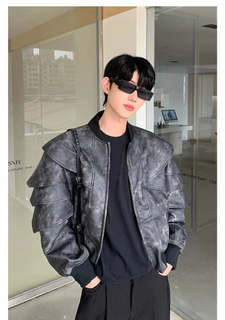
Korean Fashion: A Fusion of Tradition and Modernity
Korean Fashion seamlessly combines elements of tradition and modernity, making a captivating tapestry of styles. It draws inspiration from the rich reputation Korea while embracing contemporary global the latest fashions. Key elements of Korean Fashion include:
Hanbok Influences: The hanbok, Korea's traditional clothing, has heavily influenced modern Korean Fashion. Designers often incorporate hanbok elements into their creations, whether through colors, silhouettes, or fabrics.
K-Pop Culture: The worldwide success of K-pop has significantly impacted Korean Fashion. K-pop idols and their distinct style have become fashion icons, inspiring fans around the world.
Streetwear Sensation: Korean streetwear is renowned for its boldness and experimentation. It's characterized by oversized garments, graphic prints, and unconventional accessories. Streetwear is very popular among the younger generation.
Minimalism: Clean lines, neutral colors, and straightforward yet elegant designs are prominent in Korean Fashion. Minimalist fashion often prioritizes comfort and functionality.
Mix-and-Match Aesthetics: Koreans are known for their ability to combine diverse garments, resulting in stylish and eclectic outfits. This method encourages self-expression and creativity.
The function of Seoul like a Fashion Hub
Seoul, the capital of South Korea, has become a global fashion hub, drawing attention from fashion enthusiasts and industry insiders. The city's vibrant street fashion scene, bustling shopping districts, and influential fashion weeks have propelled it on the international fashion stage. Notable designers, such as Demna Gvasalia of Vetements and Balenciaga, happen to be inspired by Seoul's unique fashion culture.
Inclusivity and variety
Korean fashion stands apart for its inclusivity and the celebration of diverse beauty standards. While it has traditionally upheld strict beauty ideals, the industry is undergoing a transformation. Models of various ethnic backgrounds, body types, and gender identities are gaining prominence, challenging conventional standards and fostering a more inclusive environment.
Sustainable and Ethical Practices
Korean Fashion brands are increasingly focusing on sustainable and ethical practices. Many are adopting eco-friendly materials, transparent supply chains, and fair labor practices. As sustainability becomes a global concern, the Korean Fashion industry is actively embracing these changes.
Global Influence and Popularity
Korean fashion has transcended its borders, garnering a devoted global following. International fashion weeks feature Korean designers, and Korean clothing brands are expanding their hands into overseas markets. The global appetite for Korean beauty products has also helped introduce fashion to a broader audience.
Korean Fashion's Likelihood
The future of Korean Fashion appears promising, since it continues to evolve and expand its reach. The industry's capacity to blend tradition with modernity, embrace inclusivity and sustainability, and hang trends that resonate having a diverse audience underscores its enduring appeal.
Korean Fashion is not just about clothing; it's a cultural statement, an art form, and a life style. It's a reminder that fashion can be a universal language that transcends borders and connects people worldwide. You may be a trendsetter, a fashion enthusiast, or simply someone who appreciates unique style, Korean Fashion has something extraordinary to supply.